Need residential ac repair in Antioch?
Tell us what your system is doing and request an estimate. Gatesseries Heating & Air will pass your details to a local provider in our network.
No obligationAC and Furnace Help Across the Antioch area

Request an AC repair estimate
A home air conditioner works a bit like a sponge. It soaks up heat from inside your house and wrings it out into the air outside. When a part wears down, the sponge stops working well, and the house stays warm. Common causes include a weak capacitor, a dirty coil, a clogged drain line, or low refrigerant.
Gatesseries Heating & Air is a referral service. It does not do the repair. It connects homeowners in Antioch and the Antioch area with independent local providers in our network who diagnose and fix residential air conditioners. This page explains what to check first, what affects the price, and how to ask for a written quote. You stay in charge of the decision, and nothing here is pushy.
A warm house on a hot afternoon feels urgent, and it is. Still, spend a few minutes on the basics before you search for emergency AC repair. Think of a lamp that will not light: you check the plug before you blame the bulb.
If a breaker trips again after one reset, leave it off. Repeated tripping points to an electrical fault, not a fluke.
Turn the system off at the thermostat if you smell burning, hear loud grinding, see sparks, or find water near electrical parts. Do not open panels or touch wiring. These are the moments when HVAC service makes sense promptly.
An air conditioner does not create cold. It moves heat, much like a sponge carries water from a spill to a bucket. Refrigerant picks up heat at the indoor coil, travels outside, and releases it into the outdoor air. When any part of that loop slows down, the house stays warm.
Thin airflow often means a clogged filter, a dirty coil, or a tired blower motor.
This can come from low refrigerant, a failed capacitor, or a compressor that is not starting.
Ice on the coil or lines usually points to an airflow or refrigerant problem. Turn the system off and let it melt before anyone inspects it. Rattling, squealing, or a musty smell also deserves a closer look. So does a unit that turns on and off every few minutes, which can raise your power bill.
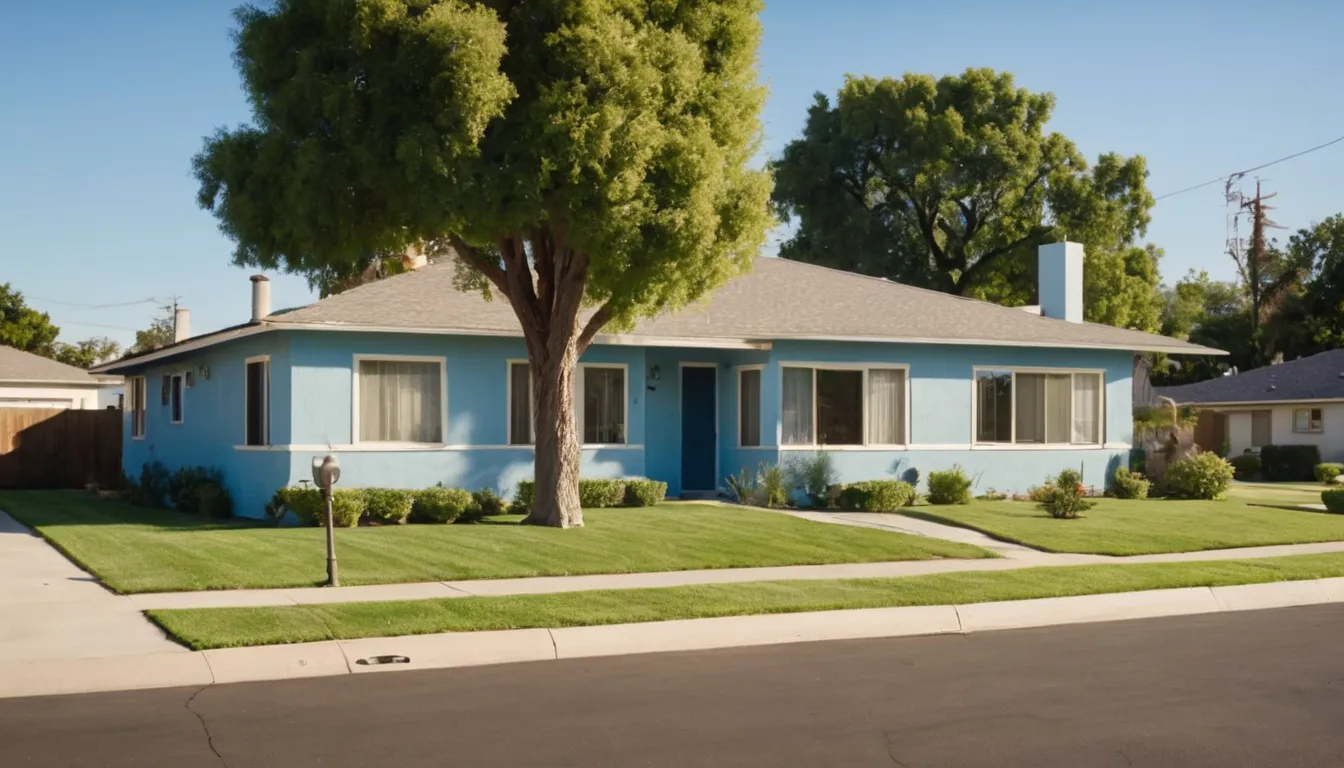
Long dry seasons bring dust, and smoke seasons add fine ash. Both coat filters and coils like flour on a baking sheet, so the system works harder for less cooling. In mild coastal areas, an AC may sit idle for months and then fail on the first hot spell. Stucco ranch homes and older bungalows often have ducts in tight attics or crawl spaces, where leaks waste cool air.
Providers can quote more accurately when you share clear details. Think of a doctor visit: a short list of symptoms beats "I just feel off." Gather these items:
Some policies may cover sudden damage, such as a power surge or storm harm. Ordinary wear and tear usually is not covered, so check your policy. Keep dated photos. Providers can often help document damage for a claim.
A good visit is like a mechanic looking under the hood before touching a bolt. The provider listens to your notes, then checks the thermostat, filter, coils, wiring, and refrigerant pressure. Next, they explain what they found and give you a price. Many providers can respond quickly, and some repairs can be finished during the visit if the part is on the truck. Availability varies, so ask.
AC repair pricing works like car repair. You pay for the part, the labor, and how hard the job is to reach. A part in an open side yard costs less labor than one in a hot, cramped attic. Refrigerant type, unit age, part availability, and after-hours visits all move the number too. The cost table on this page shows typical U.S. ranges, but your quote will vary.
Think of an old car. A small fix on a sturdy car is smart. A big fix on a worn-out one is a harder call. Ask for a replacement quote as well if your system is past 12 to 15 years old, the repair costs near half of a new unit, or repairs keep repeating. If you are also comparing furnace replacement near me, that has its own page, though some homes share one heating and cooling setup.
A written quote is your map. It shows what is being done and what it costs, so a surprise is less likely. Compare it with a second one if the job is large. Never feel rushed to say yes on the spot.
Request a callback to check provider availability, or send a request online.
Change the filter every one to three months, more often during smoke seasons. Rinse dust off the outdoor coil gently with a garden hose. Keep plants a couple of feet clear of the unit. Book a tune-up before the hot season starts, so small issues do not become big ones.
A provider checks the thermostat, electrical parts, coils, airflow, and refrigerant to find why your house is warm.
Many visits involve capacitors, fan motors, contactors, drain lines, or cleaning dirty coils.
Providers explain the problem and put parts, labor, and fees on paper before starting.
If your unit is old or costly to fix, a provider can quote a replacement too.
These are typical U.S. ranges for common AC repairs. Your price depends on the part, how hard it is to reach, your unit's age, and local labor rates. Always ask for a written quote.
| Repair item | Typical range | Notes |
|---|---|---|
| Diagnostic visit | $75 – $200 | Ask if it applies toward the repair |
| Capacitor replacement | $120 – $400 | Common, fairly quick job |
| Contactor or relay | $150 – $450 | Electrical part that starts the unit |
| Condenser fan motor | $300 – $850 | Varies with motor type and access |
| Drain line clearing | $100 – $350 | Higher if the line is hard to reach |
| Refrigerant leak repair | $250 – $1,500+ | Depends on leak location and refrigerant type |
Tell us about your home and the cooling problem, and send any photos or notes you have gathered.
Gatesseries Heating & Air connects you with an independent provider in our network serving Antioch.
Read the written quote, ask questions, and compare options before you decide.
Approve the repair, ask for a replacement quote, or take more time.
Gatesseries Heating & Air explains why an AC fails and what usually drives the price, using simple words and no jargon.
Providers in our network are independent local businesses that do the actual diagnosis and repair work.
We encourage written quotes so you can compare options and decide at your own pace.
Simple tips on photos and records help your estimate go smoothly and support any insurance conversation.
Tell us what your system is doing and request an estimate. Gatesseries Heating & Air will pass your details to a local provider in our network.
No obligationCommon causes include a clogged filter, a dirty coil, low refrigerant, or a failed capacitor. Check the filter and thermostat first. If air is still warm, a provider can find the exact cause.
Many repairs fall between about $100 and $1,500 in the U.S., depending on the part and the job. Ask for a written quote that lists parts, labor, and any fees.
Some policies may cover sudden damage, such as a power surge or storm harm. Normal wear usually is not covered. Check your policy and keep dated photos and notes.
Tell us what your system is doing and request an estimate. Gatesseries Heating & Air will pass your details to a local provider in our network.
No obligation